

Supervised Consumption & Overdose Prevention Sites

Supervised consumption and overdose prevention sites are safe spaces where teams of trained staff monitor people who use illicit drugs while they use to help prevent and recover from overdoses.
Supervised Consumption Sites (SCS) legally operate through federal exemptions under the Controlled Drugs and Substances Act. Insite, Dr. Peter Centre and Hope to Health operate SCS in the VCH region.
Overdose Prevention Sites (OPS) operate legally through a Provincial Ministerial Order related to the public health overdose emergency. Within the VCH region, there are 12 OPS serving different communities.
Both SCSs and OPSs are beneficial for people who use drugs and the community because they:
- Help save lives by responding to overdoses quickly.
- Help prevent the transmission of infectious diseases.
- Connect people to health services, including primary care, mental health and substance use treatment.
- Bring stability to the community by improving public order and reducing consumption taking place on the street.
What’s available at SCS and OPSs
- Free harm reduction supplies
- Witnessed drug consumption by health-care providers and/or peers
- Timely overdose response from trained providers
- Drug checking services
Resources
-
-
Sites in Vancouver map
Overdose prevention sites and supervised consumption sites
-
Sites outside of Vancouver city map
Overdose prevention sites and supervised consumption sites
-
Overdose Prevention Site (OPS) manual
Manual for service providers interested in developing overdose prevention and response policies and protocols (to develop an OPS).
-
Overdose response, naloxone & training
Information and resources on how to prevent and respond to overdoses.
-
Substance use and harm reduction resources for health professionals and service providers
Substance use and harm reduction training, education and other resources for health professionals, service providers and overdose prevention sites.
-
Other sites
For other OPS/SCS services across BC please click here or visit the Toward the Heart Site Finder to search an area for an OPS/SCS and harm reduction services and supplies.
Find this service near you
-
 Community health centres
Episodic Overdose Prevention Site (EOPS) at Robert and Lily Lee Family CHC
1669 East Broadway, Ground floor Vancouver -
Harm reduction site
Molson Overdose Prevention Site
166 East Hastings Street (Alley) Vancouver -
Harm reduction site
Overdose Prevention Site at Get Your Drugs Tested
880 East Hastings Street Vancouver -
Harm reduction site
Overdose prevention site at Overdose Prevention Society (OPS)
141 East Hastings Street Vancouver -
Harm reduction site
Overdose Prevention Site at Overdose Prevention Society Inhalation Tent
141 East Hastings Street Vancouver -
Harm reduction site
Overdose Prevention Site at Powell River CRC
4752 Joyce Avenue Powell River -
Harm reduction site
Overdose Prevention Site at Powell Street Getaway
450 E Hastings St Vancouver -
Harm reduction site
Overdose Prevention Site at SisterSpace
135 Dunlevy Avenue Vancouver -
Harm reduction site
Overdose Prevention Site at SisterSquare Inhalation Tent
Jackson and Powell Street Vancouver -
Harm reduction site
Overdose Prevention Site at VANDU
380 East Hastings Vancouver -
Harm reduction site
Sechelt Overdose Prevention Site
5653 Wharf Avenue (Parking lot) Vancouver -
Harm reduction site
Squamish Overdose Prevention Site
37930 Third Ave Squamish -
 Harm reduction site
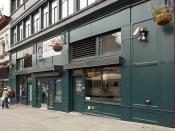
Supervised Consumption Service at Insite
139 East Hastings Street Vancouver -
Harm reduction site
Supervised Consumption Site at Hope to Health
611 Powell street Vancouver -
Harm reduction site
Thomus Donaghy Overdose Prevention Site
1060 Howe Street Vancouver